Proper Propofol Disposal: A Guide for Healthcare Facilities
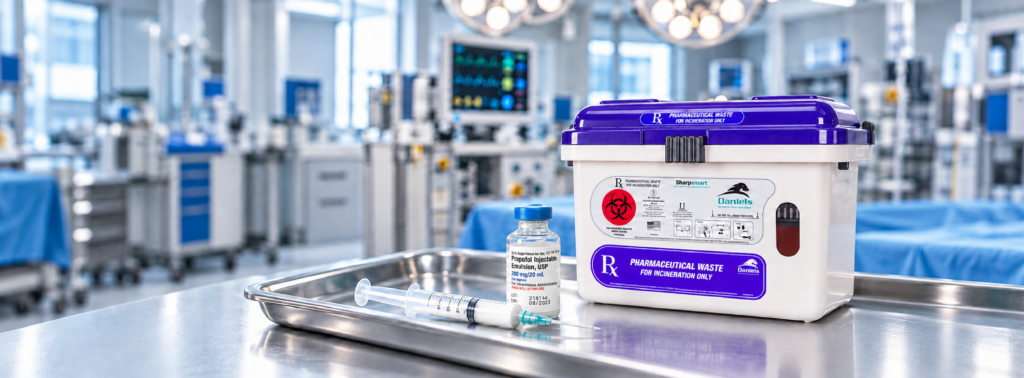
Propofol is a highly sought and diverted medication, creating significant safety risks.
There are many misconceptions regarding propofol waste disposal; however, with correct disposal procedures in place, hospitals can reduce diversion risk and support compliance while saving time on the disposal process and avoiding environmental risks like mold and unpleasant odors.
This blog will cover best practices for safe propofol disposal, review key propofol disposal regulations, and discuss proper propofol waste containment.
TOPICS WE WILL COVER:
- What Is Propofol?
- What Are the Risks Associated with Propofol in Hospitals?
- Is Propofol Considered a Hazardous Waste?
- Is Propofol Considered a Controlled Substance?
- What Are Common Misconceptions Around Propofol Disposal?
- How Should Propofol Be Disposed?
- How Can Hospitals Prevent Propofol Diversion?
What Is Propofol?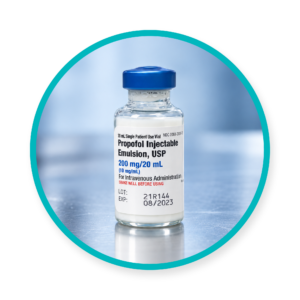
Propofol, also known as its tradename Diprivan, is a high-use sedative often used as a general anesthetic. It is commonly used in many procedures and procedural areas, including ORs, ICUs, cath labs, endoscopy, CT, and MRIs.
Compared to other general anesthetics, propofol does not generally induce significant recovery side effects. As a result of its nearly universal usage, it is one of the most widely disposed of pharmaceuticals in hospital settings.
What Are the Risks Associated with Propofol in Hospitals?
Propofol is potent, and there is a long history of recreational use, particularly among medical staff who are familiar with how to administer it and have easier access. In one study of substance abuse among anesthesiologists, propofol was the most commonly abused substance.
As a result of its status as a highly diverted medication, propofol diversion prevention is a critical component of proper disposal practices.
There are also environmental risks associated with propofol disposal. Because propofol is lipid-based, residual medication exposed to air can contribute to microbial growth, mold, and odor. Further, propofol is known to be toxic to aquatic life and does not degrade in nature. Sewering of propofol waste is strongly discouraged.
Is Propofol Considered a Hazardous Waste?
Propofol is not considered a hazardous waste pharmaceutical because it is not a RCRA hazardous medication. By law, it can be disposed of as non-hazardous pharmaceutical waste unless specific hospital policies dictate otherwise.
Is Propofol Considered a Controlled Substance?
Despite the risks associated with propofol diversion, propofol is not considered a controlled substance because it is not a scheduled pharmaceutical regulated by the Drug Enforcement Administration (DEA). However, some states have added it to their own state-maintained lists of controlled substances, so it is important always verify with state and local regulations for disposal requirements.
Further, it is equally important to carefully review your own hospital policy, as some hospitals choose to treat propofol as a controlled substance regardless of its legal status. In that case, propofol would need to be witness-wasted using a controlled substance disposal solution like Secure a Drug.
What Are Common Misconceptions Around Propofol Disposal?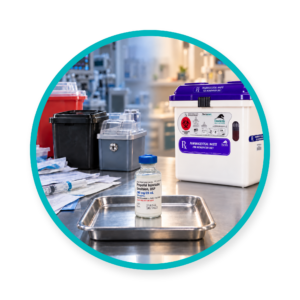
Propofol is commonly treated as both hazardous waste and as a controlled substance, despite not being regulated as either in most cases. This can create multiple disposal pathways for propofol: witness wasting of the unused medication as a controlled substance and disposal of the used vial as a sharps waste.
This dual pathway approach not only takes additional time and effort (which is time and effort not spent on treatment) but also requires multiple containers at the point of waste generation, taking up unnecessary space if those containers are not already required to be there.
Additionally, improper disposal or inconsistent processes across departments can lead to prolonged exposure to air, resulting in odor and mold risk.
Lastly, there is a risk for easier paths to diversion if a hospital does not have a consistent pathway for disposal implemented across departments.
How Should Propofol Be Disposed?
Daniels Health recommends a standardized process that limits air exposure and aligns with facility policy. Unless hospital policy or local regulations specifically requires hazardous waste or controlled substance disposal, proper disposal can be accomplished via the Pharmasmart container, with clinicians disposing of propofol vials or syringes directly into the container.
Using the Pharmasmart container addresses all major risks associated with propofol disposal and allows propofol to be comingled with other non-hazardous pharmaceutical waste. It provides secure, puncture-proof, and hand-restricted containment to protect against diversion. Additionally, since the propofol does not need to be drawn from its vial or syringe, there is no odor or mold risk. And because sharps and non-hazardous waste pharmaceuticals are disposed in the same container, it reduces staff time associated with disposal.
How Can Hospitals Prevent Propofol Diversion?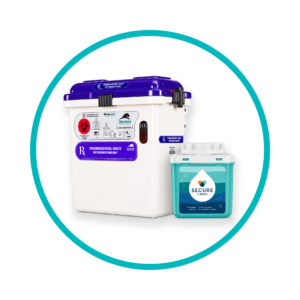
The best way for hospitals to prevent propofol diversion is to develop a single, standardized process applicable for all departments and procedural areas. Implementing a standardized process allows hospitals to maintain consistency and educate staff on the approved workflow.
Ideally, this standardized disposal practice utilizes hand-restricted pharmaceutical containers, such as Pharmasmart, unless hospital policy requires more intensive disposal requirements (i.e., controlled substance disposal).
Daniels Health supports hospitals with expert medical waste consultation to help evaluate and improve disposal of propofol waste, ensuring a system that reduces risks associated with propofol disposal.

Amy Piser
Let's Talk!
Your time is valuable, and we don’t want to play hard to get. You can either phone us directly on the details listed on our contact page, or feel free to fill out this short form and one of our team members will get back to you as quickly as possible.