Infection Prevention
Reducing medical waste touchpoints within hospitals, and ensuring cleanliness in the waste journey to protect both patients and staff.
 Reducing Cross-Contamination Risk
Cross-contamination risk is shaped by how waste is handled, stored, and moved throughout a facility. Daniels’ containment systems are designed with non-porous, smooth surfaces that resist microbial build-up and support safer clinical environments.
After collection, each reusable container undergoes a rigorous robotic washing and quality-control process that exceeds the highest clinical decontamination standards for medical waste containers. By combining surface design with a methodical cleaning process, Daniels helps hospitals reduce exposure risk and maintain confidence in reusable containment across every shift.
How Infection Control Is Built Into the Waste Journey
Our approach to infection control is intentional and clinically led. From product design to education and data reporting, Daniels works alongside staff to ensure that the safety of healthcare is always the number one priority.
- Point of use discard – Hands-free access helps reduce contact at disposal and limits unnecessary handling.
- Bagless – Daniels has the only non-sharps medical waste containers in the United States that is DOT compliant with a PG2 rating – minimizing cross contamination.
- Off-Floor Storage – Secure mounting keeps containers away from floor-level contamination and high-risk surfaces.
- Fewer “Touches” — A standardized system, developed alongside the clinical staff, reduces unnecessary handling during movement and exchange.
- Cleaned vs Soiled Mapping – Clear separation of full and clean container movement from unit to dock reduces exposure risks.
- Robotic Washing – Containers are robotically sanitized at a level 100-times higher than CDC requirements each cycle to support cleanliness expectations in healthcare.
ATP Tested Solutions
After two routine tests, a Pharmacy Clean Room failed to meet the acceptable levels of microbes allowed – we identified the cause as “nested” medical waste containers. We proposed and implemented a single sealed unit, the Daniels’ Medismart. All our containers undergo a thorough washing and decontamination process after each use. Our patented robotic system is fully automated to decant, wash, sanitize, and dry the collectors before redeployment. After Medismart implementation, no further work-surface tests failed.

Engineered for Infection Control
See how every container we service is robotically washed and sanitized through our Washsmart process, achieving a 6-log bacterial load reduction that far exceeds CDC requirements. By removing risk of cross-contamination at every stage, we safeguard staff, patients, and the integrity of the clinical environment.
Sharps Safety in Infection Prevention
-
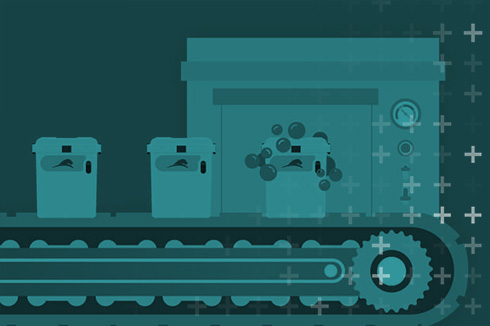
Are Reusable Sharps Containers Clean?
Are reusable sharps containers clean? How are they sanitized? Find out.
-

5 Ways to Improve Infection Control in Hospital
Learn how to improve infection control with our top 5 strategies. Read the blog to enhance safety and hygiene practices in your facility.
-

A Day in the Life of a Needle
Learn about the journey of a needle from the point of use, to disposal, as well as how to prevent needlestick injuries. Read our blog for essential insights.
-
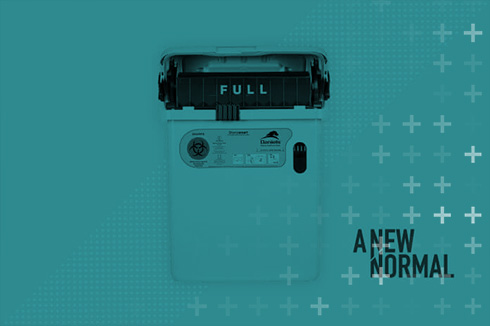
A New Normal in Safe Sharps Disposal
The Sharpsmart container facilitates safe hands free sharps disposal and reduces needlestick injuries.
-
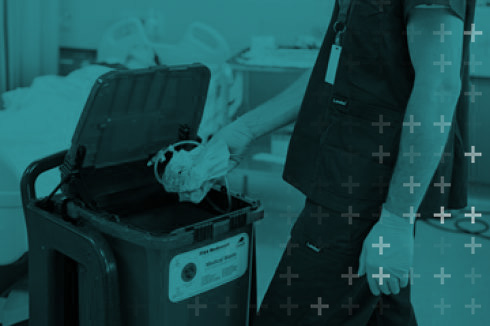
Medismart’s Impact on Safety, Cost & Waste Volumes
This article studies the impact of the Medismart on patient care, infection risk, and waste volumes across several UK hospitals.
-
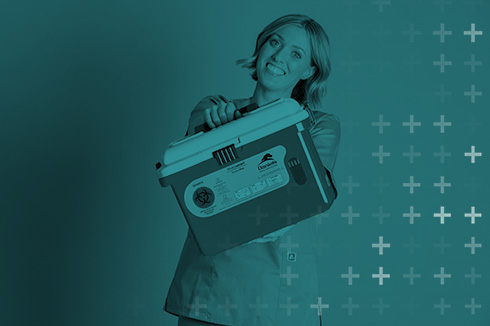
Reusable Sharps Containers: Impact on Infection Risk
This study examined literature and guidelines to determine the microbiological risk of using reusable sharps containers.
-

The Microbiology Behind Reusable Containers in Hospitals
The paper delves into the microbiology behind reusable containers and provides information on the decontamination efficacy and risks for the hospital environment.
-
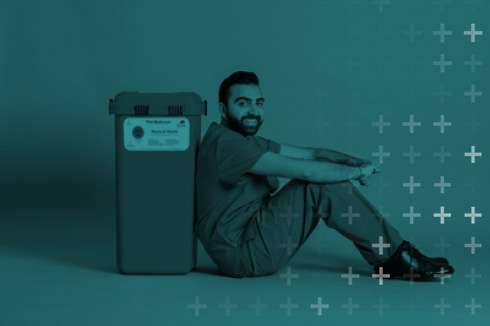
Pharmacy Clean Room
When microbiome counts in a pharmacy clean room fell far outside acceptable parameters. Daniels’ Medismart was introduced and passed ATP testing with flying colors
Fewer Touches. Lower Exposure Risk.
Medical waste is often handled multiple times as it moves through a hospital. Each additional touch increases exposure risk for clinicians and EVS teams, especially when waste bags or contaminated surfaces are involved.
Daniels designs containment and movement systems that reduce unnecessary handling at every step. Secure mounting keeps containers off floors and high-risk surfaces. Our transporters eliminate double-stacking and manual bag transfers. By minimizing contact with unclean surfaces and reducing waste “touches” from point of use to the dock, we help hospitals lower cross-contamination risk and protect staff throughout the waste journey.
Build a Lower-Risk Waste Flow
When you reduce touches, standardize how waste moves, and rely on systems that go above-and-beyond sanitization requirements, infection prevention gets easier to sustain across every unit.