Universal Waste
Universal waste is a common hazard within hospitals and health systems. Items that may seems like standard trash to the untrained eye actually require specific hazardous waste disposal. Learn more about this unique waste stream.
Compliant Solutions to Common Hazardous Waste Items
Across your health system, these common items require specific hazardous waste solutions:
- Batteries
- Lamps/Lightbulbs
- Pesticides
- Mercury Containing Equipment
Daniels Health Can Handle Your Universal Waste Needs
Hospitals and health systems generate a wide variety of specialized waste, and not all of it fits neatly into a specific category. From batteries to lightbulbs to pesticides and more, some non-clinical waste requires specific disposal.

At Daniels Health, we support universal waste disposal as part of our total waste management program, with training, waste characterization, and containment solutions that ensure state and federal standards are met. Prioritizing sustainability, we ensure the most economic and environmentally viable treatment pathways are selected for the specific wastes being disposed of.
Health systems across the country trust Daniels Health to ensure compliant cradle-to-grave disposal of universal waste.
What Is Universal Waste?
Universal waste is a specific category of hazardous waste defined by the EPA. These hazardous wastes are considered “universal” because, unlike biohazardous waste, they are generated in a wide variety of settings by a vast community.


Does Your State Count Aerosol Cans as Universal Waste?
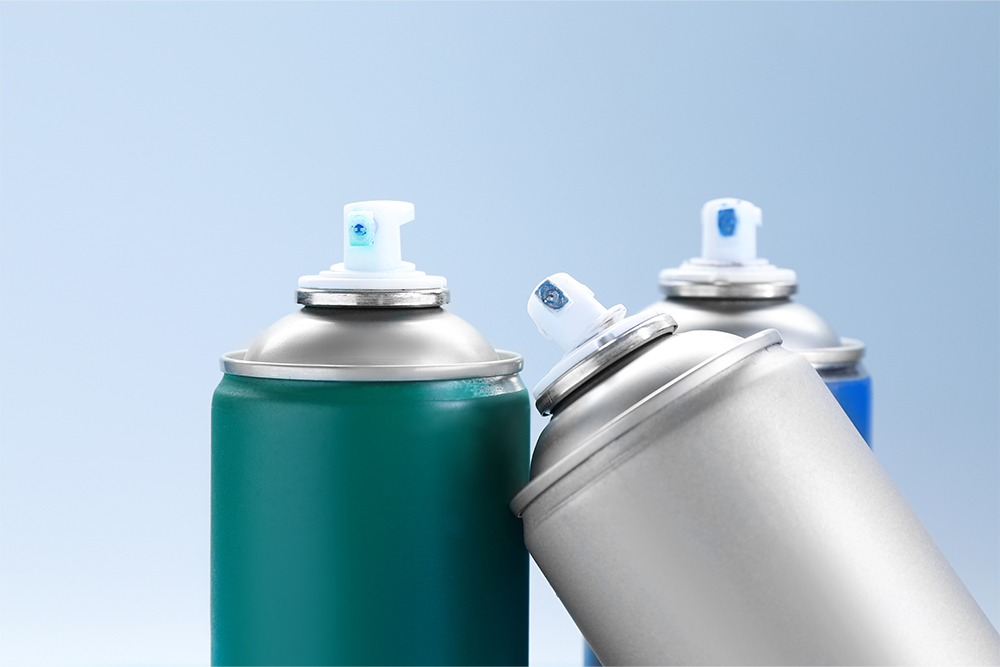
Most states in the US have adopted the EPA’s definition of aerosol cans as universal waste. The EPA defines an aerosol can as a non-refillable receptacle containing a gas. Aerosol cans frequently contain flammable contents such as propane or butane which can cause the waste to be hazardous due to its ignitability characteristic. In order to be managed as universal waste, the aerosol must:
- Exhibit a hazardous waste characteristic
- Contain a substance listed as hazardous waste
- Not meet the definition of “empty” defined by the EPA
Daniels Health navigates the complexities of hazardous aerosol can waste, so facilities can avoid potential fines, liabilities, and safety issues associated with non-compliance.
Additional Waste Streams Managed
In addition to universal waste, Daniels Health operates a full-scale total waste management program, including other non-healthcare waste streams. Learn more about the benefits of working with a single partner.
FAQs
Let's Talk!
Your time is valuable, and we don’t want to play hard to get. You can either phone us directly on the details listed on our contact page, or feel free to fill out this short form and one of our team members will get back to you as quickly as possible.